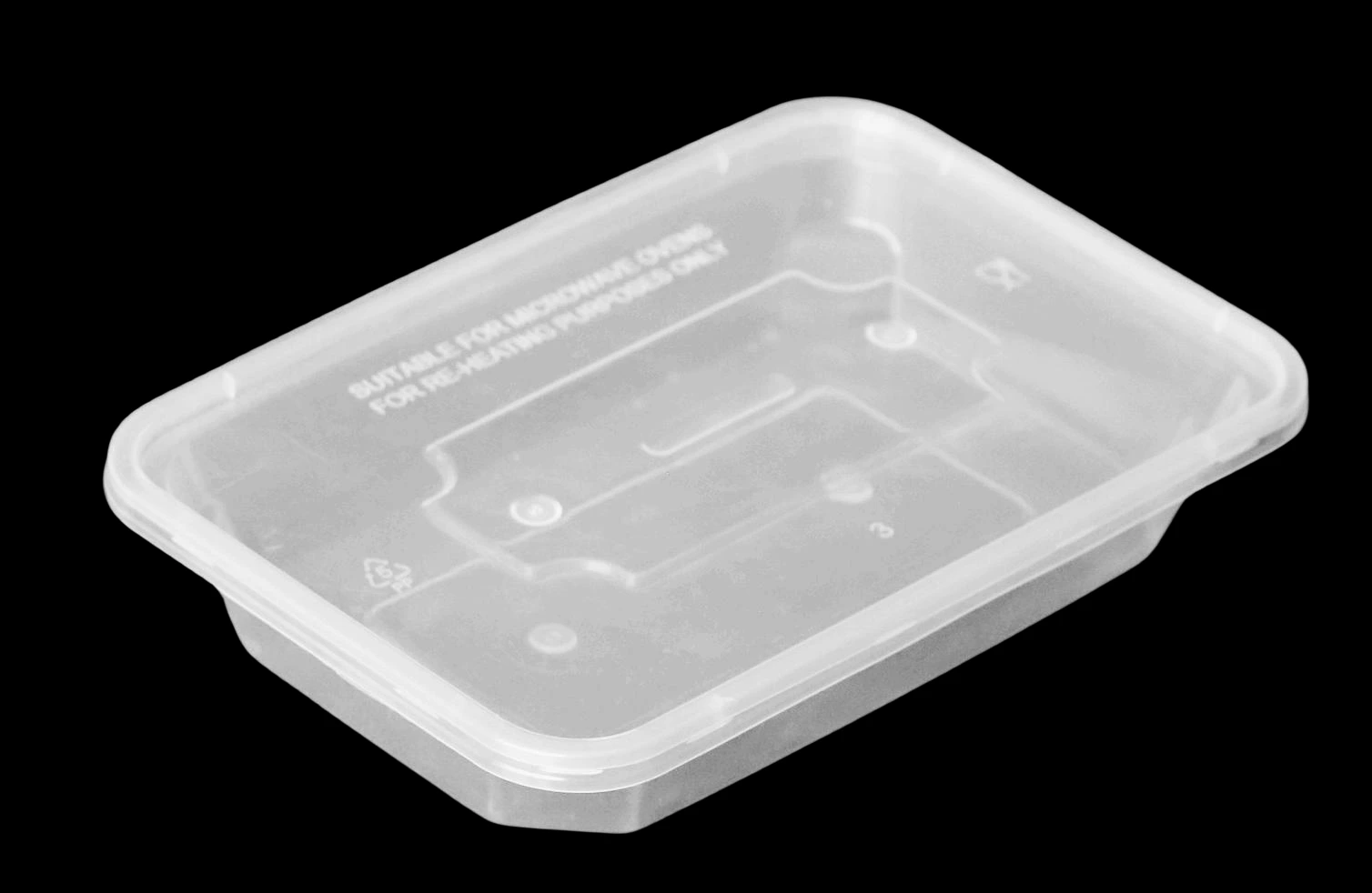
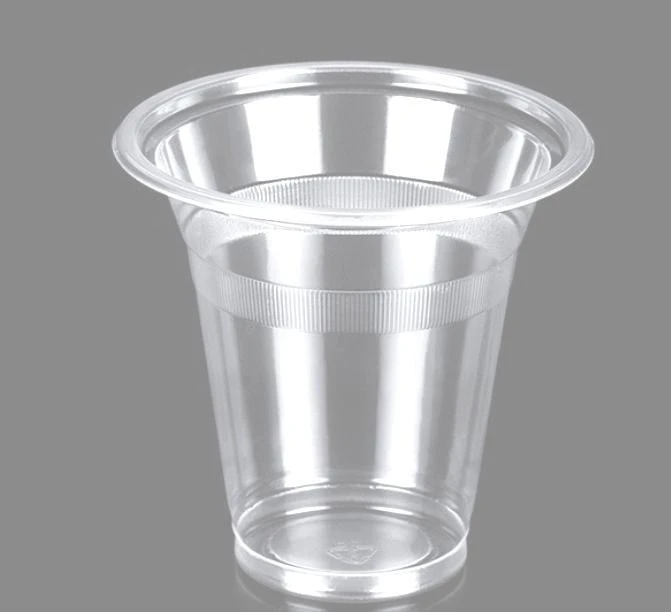
Identify the product beyond its capacity
Begin with a product series and its public SKU. Include the capacity where listed, but do not use capacity as the only identifier. Models with the same volume can differ in height, footprint, colour, construction or packing.
In the 95 mm PP beverage cup range, VP-C95-003 and VP-C95-020 are both listed at 320 ml. The first has a 47 mm base and 112 mm height; the second has a 50 mm base and 95 mm height. Naming the SKU keeps those different formats distinct in the conversation.
Keep pieces, sets and cartons separate
A piece usually identifies one item, while a set describes a combination whose contents need to be stated. A bag or carton is a packing unit. Confirm the meaning of the quoted unit before comparing quantities or prices.
The same 320 ml cup examples also have different packing. VP-C95-003 is listed as 20 sleeves of 100 cups, or 2,000 cups per carton. VP-C95-020 is listed as 20 sleeves of 50 cups, or 1,000 per carton.
| Illustrative requirement: 10,000 cups | Listed cups per carton | Arithmetic equivalent |
|---|---|---|
| VP-C95-003 | 2,000 | 5 cartons |
| VP-C95-020 | 1,000 | 10 cartons |
This is a calculation example, not a minimum order, stock or delivery commitment. It shows why the model's packing matters. Confirm that the stated packing applies to the quotation before using the result for freight planning.
Specify lids, wrapping and supplied components
If you need a lid, provide its SKU where known or describe the exact container that requires a closure. List lid quantities separately unless a complete set is explicitly documented and confirmed. The lid fit guide explains why matching diameter labels alone are insufficient.
For cutlery and straws, say whether the requirement is for individual items, individual wrapping or a proposed kit. A group photograph does not establish a supplied kit. Likewise, a pack count does not necessarily state how many packs are inside a shipping carton.
Describe destination, use and timing
Include the destination country or port and your proposed schedule. Identify any requirement concerning product use, temperature, food contact, documentation, branding or packing. These details help define what needs to be checked; they are not automatically available features of every model.
For samples, explain what you intend to assess and which components should be reviewed together. Confirm sample availability, charges and dispatch arrangements separately. Commercial terms, lead time and shipping arrangements belong to the actual quotation rather than assumptions from a catalogue page.
Use a concise enquiry format
The following is an illustrative request using a listed model. Replace the quantity and destination with your own requirements; it is not a published offer.
Product: VP-C95-020, clear 320 ml PP cup. Quantity: 10,000 cups; please confirm the current packing. Destination: [your country or port]. Lid: please advise whether a verified pairing is available. Samples: please confirm availability, charges and dispatch details. Please confirm MOQ, carton measurements, gross weight and proposed lead time.
For several products, repeat the SKU, quantity and unit for each. Include any requirement that differs between models instead of assuming a single condition applies to the entire shortlist.
Review the reply against the same model list
Check that the quotation identifies the requested SKU, supplied components, quantity unit and packing. Clarify substitutions or missing fields before comparing offers. Do not treat an absent figure as zero, or a carton count as the MOQ.
Return to the product catalogue to compare the documented models, or contact VessPack with your shortlist. Keep the sample identity and any confirmed specification with the enquiry so the later discussion refers to the same item.