Identify the closure arrangement first
A container may have an attached lid, be listed as a set with a separate lid, or require a separately ordered closure. These are different arrangements. Begin with the product description and the exact SKU rather than assuming that every lid shown near a container is supplied with it.
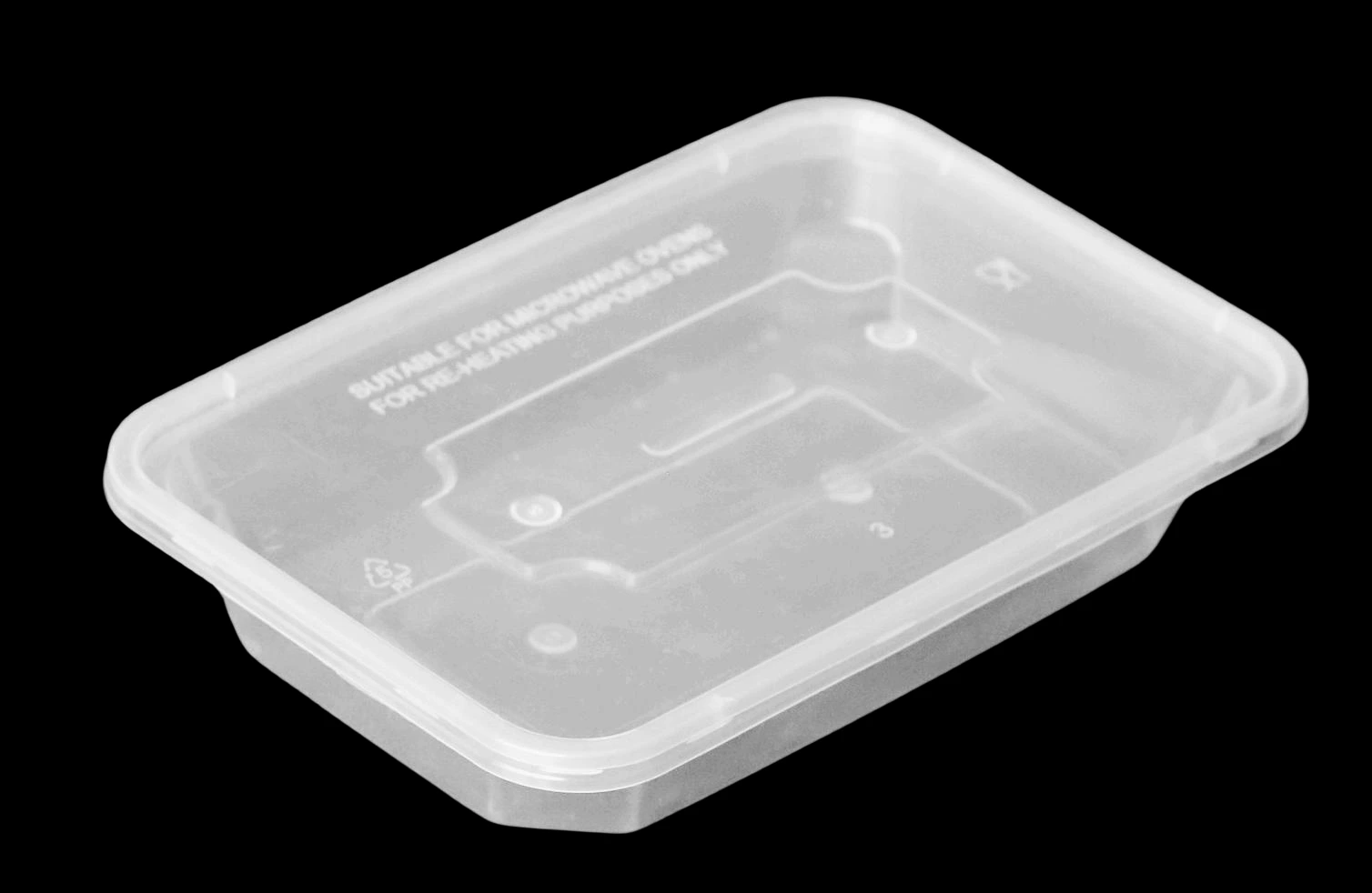
For example, the PP rectangular food containers are documented with lids and 300 sets per carton. The PP round bowls list 200 or 300 sets per carton, but their set contents still need confirmation. A set count alone therefore does not establish what the buyer receives.
Read the measurement and its meaning
A cup rim diameter, a lid's outside diameter and a lid style number may look comparable while describing different things. The closure also has a shape and engagement detail that a single diameter cannot capture.
| Catalogue example | What is listed | What still needs checking |
|---|---|---|
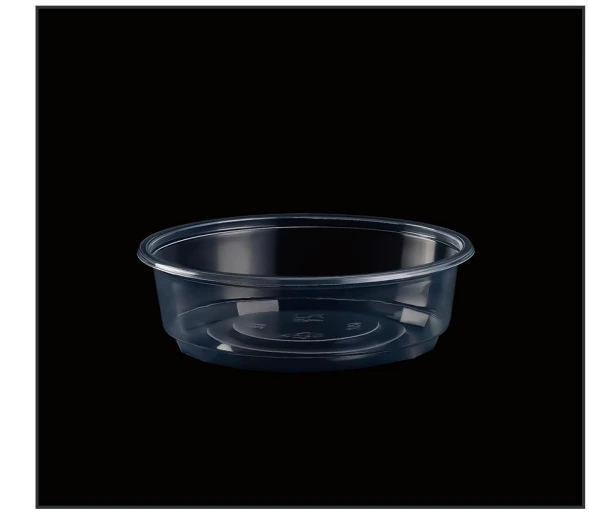
| 116 mm PP deli containers | A 116 mm container rim and several heights | The exact closure specified for the selected model |
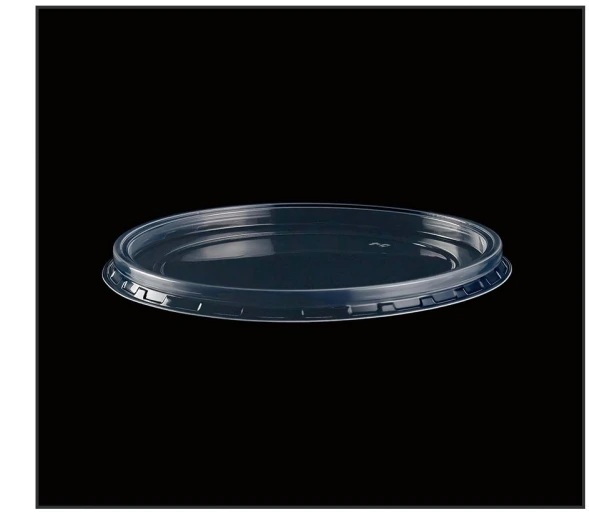
| 120 mm PP deli lid | A 120 mm lid diameter and 11 mm height | Whether its profile fits the intended container |
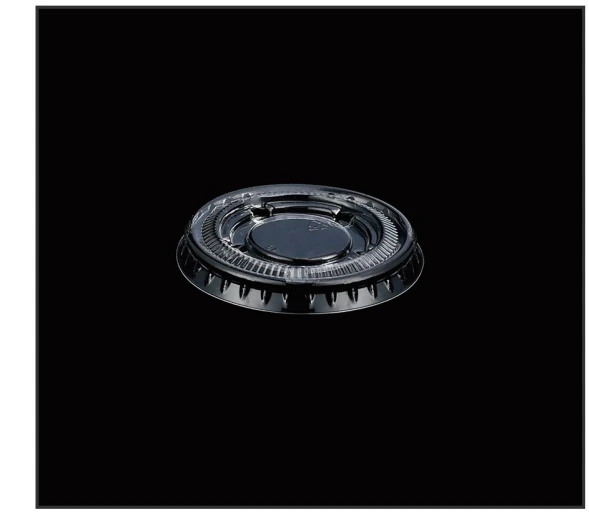
| PET portion-cup lids | Styles 45, 62 and 74 | Actual dimensions and the confirmed cup pairing |
The 116 mm deli containers and 120 mm lid are not a verified pair in the catalogue. Likewise, the numbers on the PET portion-cup lid styles should not be presented as measured millimetres.
Name both components in the enquiry
Provide the public SKU of the container and the proposed lid. Ask whether they have been checked together, whether either model has changed, and what evidence or sample is available for the pair. If no lid has been selected, describe the container and the closure features you need.
Keep this pairing separate from the intended use. A lid that fits a rim has not, by that fact alone, been shown to meet a leakage, temperature, transport or tamper-evidence requirement. Describe those requirements explicitly so that they can be evaluated for the complete package.
Evaluate a sample for your intended conditions
A practical sample review can include the following steps. These are buyer checks, not a certification procedure or a guarantee of performance.
- Record the model identifiers of both pieces and compare them with the enquiry.
- Inspect the rim and lid profile, then check how the lid seats around the full perimeter.
- Assess the opening and closing action and whether the intended portion leaves suitable clearance.
- Evaluate the filled package under your actual serving, carrying and storage conditions, using an agreed assessment appropriate to the requirement.
- Record the result and the sample identity before confirming the purchase specification.
A result for one combination should not automatically be transferred to another capacity, colour, material or model. Keep any required documentation tied to the item it actually covers.
Confirm packing and quantities separately
A cup carton and a lid carton may contain different unit counts. State whether the quotation is for complete sets or separate components, and check the quantity of each. Where more than one bag arrangement is offered, specify the intended arrangement rather than only the total carton count.
Before freight calculations, ask for missing carton measurements and gross weights. Use the wholesale enquiry checklist to bring the models, units and destination together. For beverage formats, the 90 mm and 95 mm PP cup comparison explains why a shared capacity also does not identify a shared cup shape.