Start with the rim group, then compare the model
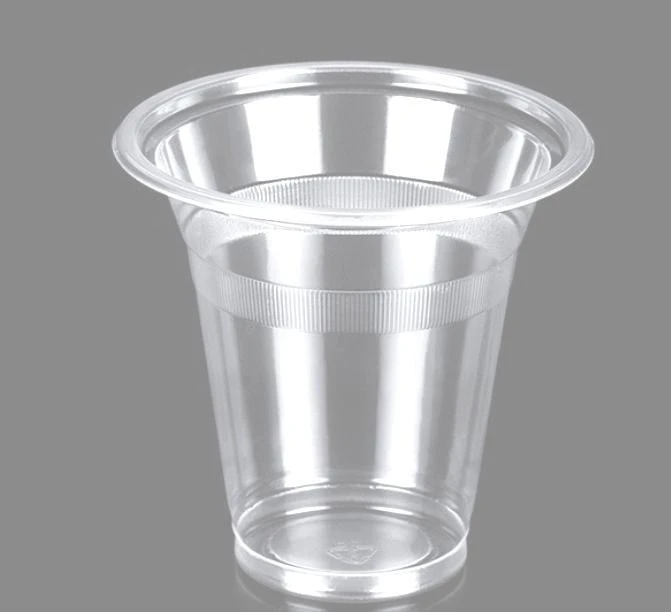
The 90 mm PP beverage cups and 95 mm PP beverage cups are distinct catalogue ranges. The number identifies the listed rim diameter; it does not describe the full cup profile or the volume of every model in that group.
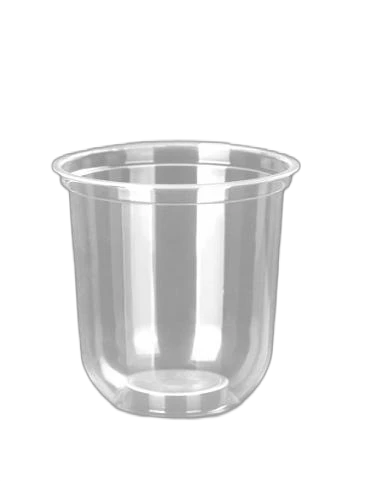
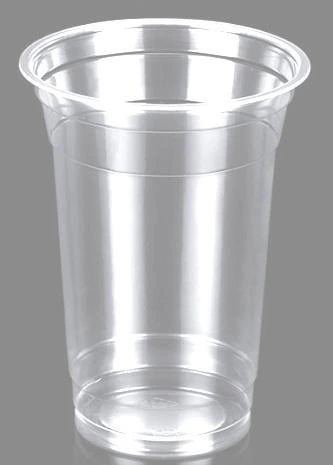
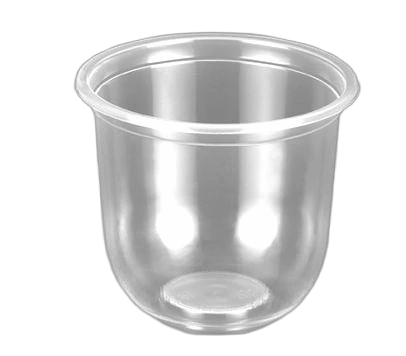
A serving-volume requirement is a useful starting point. Follow it with the model's height, base diameter and corresponding photograph. These details help distinguish the cup you want to evaluate for presentation, a holder or the available serving space. They do not, on their own, prove equipment compatibility or performance.
Two 500 ml cups can have different profiles
The 90 mm range contains two clear 500 ml models. Their listed dimensions differ even though their material, capacity and rim labels match.
| Public SKU | Capacity | Rim diameter | Base diameter | Height |
|---|---|---|---|---|
| VP-C90-002 | 500 ml | 90 mm | 57 mm | 136 mm |
| VP-C90-003 | 500 ml | 90 mm | 54 mm | 137 mm |
The difference in base and height is a reason to keep the exact SKU in an enquiry. If you use a particular holder or dispenser, compare the relevant dimensions and assess the actual sample. Do not assume that a repeated capacity makes the models interchangeable.
The same capacity can also have different packing
Within the 95 mm range, VP-C95-003 and VP-C95-020 are both 320 ml cups. VP-C95-003 has a 47 mm base and 112 mm height, while VP-C95-020 has a 50 mm base and 95 mm height.
Their packing also differs: the first lists 2,000 cups per carton and the second 1,000. A request for a number of cartons without the SKU could therefore describe a different shape and twice as many cups. State both the model and the quantity unit when preparing a comparison or quotation request.
Compare U-shaped cups as separate ranges
The 90 mm U-shaped cups and 95 mm U-shaped cups should also be distinguished. Both contain a listed 360 ml option, but the dimensions are different.
| Public SKU | Capacity | Rim diameter | Base diameter | Height |
|---|---|---|---|---|
| VP-UC90-001 | 360 ml | 90 mm | 47 mm | 92 mm |
| VP-UC95-001 | 360 ml | 95 mm | 47 mm | 85 mm |
A shared capacity and base measurement do not make these the same cup. Use the selected model photograph alongside the dimensions, and keep the two rim groups separate in sample requests.
Treat the lid as a separate fit question
A lid described with a similar diameter is not automatically a verified match. The cup rim, lid profile and measuring points all matter. No universal lid pairing is established by comparing the 90 mm and 95 mm labels.
Follow the lid selection checklist and identify the exact cup and proposed lid. Any temperature, closure or transport requirement should be discussed for that combination rather than inferred from the PP material name.
Build a useful cup shortlist
Record the SKU, listed capacity, rim, base and height for each candidate. Add the required number of cups and the relevant carton count where documented. Then describe the serving and accessory requirements you want a sample to address.
The wholesale enquiry checklist gives a worked quantity example and a request format. Use it to organise the differences between models before moving into missing carton details, MOQ or supply arrangements.